
Mitsubishi Lancer years to avoid and best years
Newer Mitsubishi Lancer years have more owner complaints per year than the older ones. 2015 has the most complaints per year, at 5 (26 complaints). Among years old enough to compare, the fewest complaints per year are 2013 at 0 (from 5 complaints), 2017 at 0 (from 6 complaints), and 2016 at 1 (from 30 complaints). On the 2015 Mitsubishi Lancer, 5 of 26 complaints name Powertrain.
Data as of .
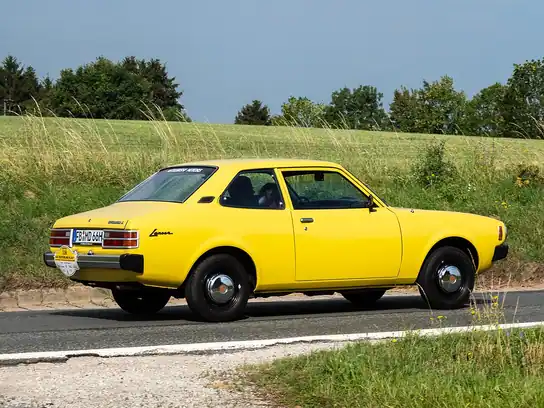
Mitsubishi Lancer reliability by year
Each year is complaints filed in that year’s first 3 years on the road, divided by however many of those years have passed. A model year younger than 3 years is too early to compare, so it is left out of the years named as having the fewest or the most complaints. Recalls are a separate count. The numbers are for the US-market Mitsubishi Lancer. How we count.
By model year
| Year | Per year on the road | Complaints | Recalls | Most-filed complaint | Avg. combined MPG |
|---|---|---|---|---|---|
| 2017 → Fewest | 0 | 6 | 0 | Air bags | 28 |
| 2016 → Fewest | 1 | 30 | 2 | Powertrain | 27 |
| 2015 → Most | 5 | 26 | 1 | Powertrain | 23.9 |
| 2014 → | 2 | 23 | 0 | Powertrain | 24.2 |
| 2013 → Fewest | 0 | 5 | 0 | Air bags, Electronic stability control (ESC), Engine | 24.2 |
| 2012 → | 1 | 19 | 1 | Engine | 24.2 |
Years with a → link have a full model-year page.
What owners file about
Generations
- Body styles
- Sedan, Hatchback
- Oil
- 0W-20 (2.0L/2.4L NA; turbo/Ralliart viscosities differ) · 4.5 qt capacity
- Tire size
- 205/60R16, 215/45R18, 245/40R18 (trim dependent)
Known issues for this generation
Recall 18V-069 covers certain 2009-2012 Mitsubishi Lancer vehicles among other Mitsubishi models with 4B11 or 4B12 engines: the drive-belt automatic tensioner flange may crack, allowing the accessory drive belt to detach. Dealers replace the belt tensioner with an improved design. The campaign's published unit count is shared across Lancer, Outlander, Lancer Sportback, and Outlander Sport. Recall 17V-609 covers certain 2015-2016 Lancer vehicles among other Mitsubishi models: defective relays can cause an engine stall, reduced power, or overheating; dealers replace the affected relays.
Frequently asked questions
Which Mitsubishi Lancer years have fewer owner complaints?
Among years old enough to compare, the fewest complaints per year are 2013 at 0 (from 5 complaints), 2017 at 0 (from 6 complaints), and 2016 at 1 (from 30 complaints).
Which Mitsubishi Lancer year has the most owner complaints?
2015 has the most complaints per year, at 5 (26 complaints). On the 2015 Mitsubishi Lancer, 5 of 26 complaints name Powertrain.
How do Mitsubishi Lancer owner complaints compare by year?
Newer Mitsubishi Lancer years have more owner complaints per year than the older ones.
What oil does a Mitsubishi Lancer use?
Many 2.0L/2.4L NA engines use 0W-20 with about 4.5 qt; turbo and Ralliart trims may specify different viscosities—check the manual.
What tire sizes fit the Lancer?
OE sizes range from 205/60R16 on base trims to 245/40R18 on sport packages; confirm on the placard.
What recalls affect the Mitsubishi Lancer?
Recall 18V-069 covers certain 2009-2012 Lancer models for accessory drive belt tensioner flange cracks (shared with Outlander family), and 17V-609 covers certain 2015-2016 Lancer vehicles for relay failures that can stall the engine.